Aluminium Tubes Exporter in Sharjah
Introduction
Kesari Aluminium Company is a trusted manufacturer, supplier, exporter, and wholesaler of high-quality aluminium extrusion profiles, offering complete extrusion solutions for a wide range of industrial, commercial, and architectural applications. Backed by advanced manufacturing technology, skilled professionals, and a strong commitment to quality, we deliver precision-engineered aluminium profiles that meet the highest industry standards.
Aluminium tubes are widely used in modern industries because they are lightweight, durable, corrosion-resistant, and easy to handle. From construction and transportation to furniture, engineering, and manufacturing, tubes play an important role in many applications. Their excellent combination of strength and flexibility makes them a preferred choice for businesses looking for reliable and long-lasting materials.
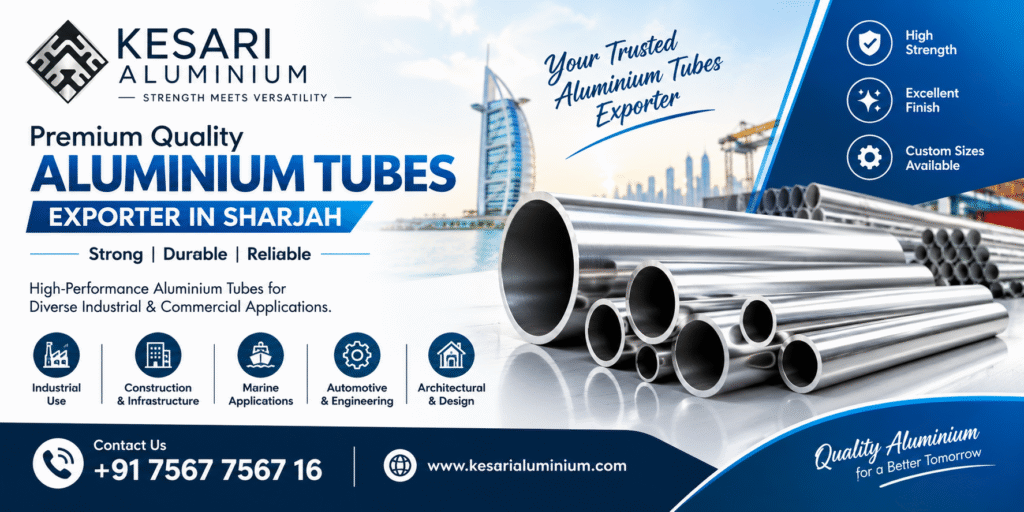
Finding a reliable Aluminium Tubes Exporter in Sharjah is important for businesses that need consistent product quality, suitable dimensions, and dependable supply. Aluminium tubes are available in different shapes, sizes, thicknesses, and grades to meet the requirements of various industries. Choosing the right tubes can improve product performance, simplify fabrication, and support long-term operational efficiency.
Kesari Aluminium Company aims to support businesses looking for solutions by focusing on product quality, customer requirements, and reliable service. Whether you need tubes for industrial production, fabrication work, or commercial projects, selecting the right supplier or exporter can help improve operational efficiency and product performance. Choosing the right Tubes Exporter in Sharjah is important for businesses that need quality products, consistent supply, and dependable service. tubes are available in different sizes, shapes, thicknesses, and specifications to meet the needs of various industries. Buyers must select products that match their project requirements and provide reliable performance.
What Are Aluminium Tubes
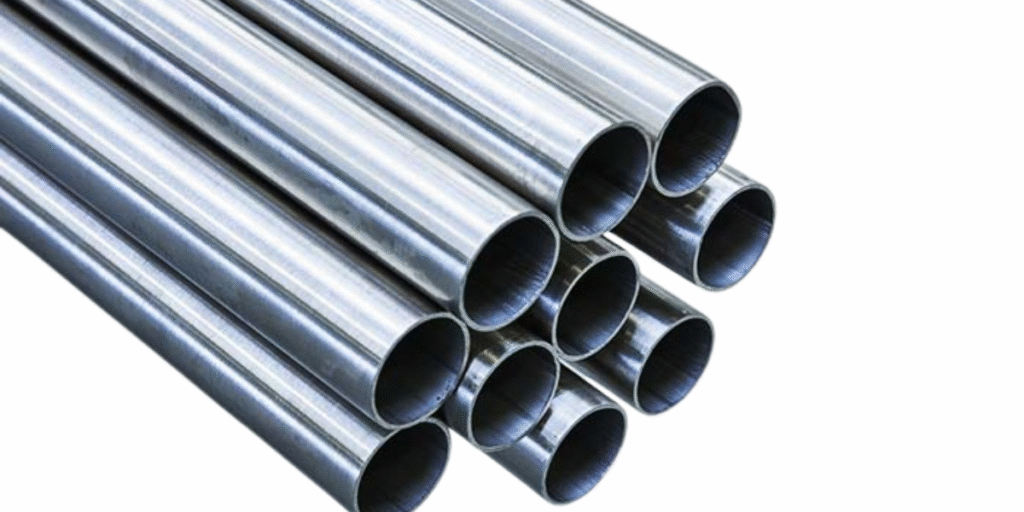
Aluminium tubes are hollow cylindrical or shaped products manufactured from aluminium and its alloys. They are available in different diameters, wall thicknesses, lengths, and shapes to meet various industrial requirements. Aluminium tubes are also easy to cut, drill, bend, machine, and fabricate when the correct alloy and manufacturing process are selected. These features make them a preferred material for manufacturers, fabricators, contractors, and engineering companies.
These tubes are valued for their low weight, resistance to corrosion, and ease of fabrication. They can be cut, drilled, machined, welded, or finished according to the intended application, provided the selected alloy and manufacturing process are suitable. Businesses searching for an Aluminium Tubes Exporter in Sharjah should consider important factors such as material grade, dimensions, surface finish, mechanical properties, and intended operating conditions before placing an order.
Types of Aluminium Tubes
1. Seamless Aluminium Tubes
Seamless aluminium tubes are manufactured without a welded joint. They provide uniform construction and are suitable for applications where consistent material strength and reliability are important.
- Industrial machinery and equipment
- Automotive components
- Hydraulic and pneumatic systems, where suitable grades are specified
- Precision engineering applications
- Specialised industrial assemblies
2. Welded Aluminium Tubes
Welded aluminium tubes are produced by forming strips or sheets into a tubular shape and joining the edges through welding. They are available in different sizes and can be suitable for many general-purpose applications.
- Furniture manufacturing
- General fabrication
- Structural frameworks
- Display stands and support structures
- Industrial enclosures
3. Round Aluminium Tubes
Round aluminium tubes feature a circular cross-section and are among the most commonly used tube types. Their shape makes them useful for structural support, fluid-carrying systems designed for and tubular assemblies.
- Handrails and railings
- Automotive and transport components
- Furniture frames
- Industrial equipment
- General engineering projects
4. Square Aluminium Tubes
Square aluminium tubes have four equal sides and offer a practical combination of strength, low weight, and a neat appearance. They are commonly used in fabrication and construction projects.
- Building frameworks
- Window and door structures
- Furniture frames
- Machine supports
- Commercial display structures
5. Rectangular Aluminium Tubes
Rectangular aluminium tubes have two pairs of sides with different dimensions. They are suitable for projects that require a particular structural profile or need a flat surface for mounting and assembly.
- Architectural structures
- Industrial frames
- Transport equipment
- Support brackets and assemblies
- Fabricated furniture
6. Extruded Aluminium Tubes
Extruded aluminium tubes are produced by forcing heated or prepared material through a die to create the required cross-sectional shape. Extrusion allows manufacturers to produce tubes in different dimensions and profiles according to specific requirements.
- Industrial machinery
- Automotive components
- Architectural systems
- Equipment housings
- Custom engineering projects
Applications of Aluminium Tubes
1. Construction and Building Industry
Aluminium tubes are commonly used in modern construction projects because they are lightweight, strong, and easy to install. They are suitable for window frames, door frames, partitions, railings, support structures, and architectural designs. Their corrosion resistance makes them useful for buildings exposed to humid conditions and changing weather.
2. Automotive and Transportation Industry
Aluminium tubes are used in automobiles, buses, trucks, trailers, and other transportation equipment. Their lightweight properties help reduce overall vehicle weight while maintaining structural performance. They can be used in selected structural components, fluid-carrying systems, and specialised vehicle assemblies, depending on the alloy and design requirements.
3. Industrial Machinery and Equipment
Manufacturers use aluminium tubes in machinery frames, equipment supports, machine guards, conveyor structures, and production systems. Their easy fabrication and machining properties make them suitable for customised industrial applications. Businesses can select the required tube dimensions according to the load, operating environment, and equipment design.
4. Electrical and Electronics Industry
Aluminium tubes are used in selected electrical enclosures, equipment housings, protective structures, and heat-dissipation assemblies. conducts heat efficiently, making it useful in applications where thermal management is important. The appropriate tube design depends on the electrical system, installation conditions, and required protection.
5. Furniture and Interior Design
Aluminium tubes are popular in furniture manufacturing because they provide a modern appearance with relatively low weight. They are used in chairs, tables, shelving units, display stands, office furniture, and decorative structures. Their versatility allows manufacturers to create products in different shapes, finishes, and dimensions.
6. HVAC and Refrigeration Systems
Aluminium tubes can be used in selected heating, ventilation, air-conditioning, and refrigeration equipment. Depending on the system design, they may serve in heat exchangers, ventilation assemblies, and other components. For refrigerant-carrying applications, buyers must confirm that the selected alloy, tube construction, pressure rating, and joining method are suitable for the intended system.
7. Marine and Coastal Applications
Aluminium tubes made from suitable marine-grade alloys are used in boat structures, marine equipment, railings, and selected offshore installations. Their corrosion resistance can be valuable in coastal environments. However, alloy selection and protection against galvanic corrosion are important when comes into contact with other metals.
8. Solar Energy and Renewable Energy Projects
Aluminium tubes and tubular sections are used in certain solar panel support structures, mounting assemblies, and renewable energy installations. Their low weight makes transportation and installation easier, while their strength supports practical structural designs. The selected material must meet the project’s wind-load, corrosion-resistance, and durability requirements.
9. Agricultural Equipment
Aluminium tubes are used in selected agricultural machinery, irrigation-related equipment, greenhouse structures, and lightweight support frames. They are useful where easy handling and resistance to environmental exposure are important. The tube specifications should be selected according to the application, mechanical loads, and exposure to water or chemicals.
10. Fabrication and General Engineering
Fabrication companies use aluminium tubes to manufacture brackets, frames, supports, display structures, and customised components. These tubes can be cut, drilled, bent, and joined using suitable fabrication techniques. Different alloys offer different levels of strength, formability, and corrosion resistance, allowing manufacturers to choose materials according to their requirements.
11. Aerospace and Specialised Equipment
Selected high-performance aluminium alloys are used in aerospace-related structures, lightweight equipment, and specialised engineering applications. These uses require strict material specifications, traceability, and quality documentation. Buyers should confirm that the supplied tubes meet the relevant industry standards and certification requirements.
12. Packaging and Display Systems
Aluminium tubes and sections are used in display stands, exhibition frames, retail fixtures, signage supports, and promotional structures. Their clean appearance, lightweight construction, and fabrication flexibility make them suitable for temporary and permanent installations.
Benefits of Aluminium Tubes
1. Lightweight and Easy to Handle
One of the biggest benefits of tubes is their lightweight nature. Aluminium is considerably lighter than many commonly used metals, making these tubes easier to transport, handle, and install. This advantage is particularly useful in construction, vehicle manufacturing, fabrication, and structural applications where reducing overall weight is important. Lightweight materials can also help simplify installation and improve handling efficiency during production.
2. Excellent Corrosion Resistance
Aluminium naturally forms a thin protective oxide layer when exposed to air. This layer helps protect the material against corrosion under many normal operating conditions. tubes are therefore suitable for various indoor and outdoor applications, including building structures, architectural components, equipment frames, and selected industrial systems. Their corrosion resistance can help reduce maintenance requirements and support a longer service life when the correct grade and finish are selected.
3. High Strength-to-Weight Ratio
Although aluminium tubes are lightweight, they can provide good strength for many industrial and structural applications. Their strength-to-weight ratio makes them useful where a combination of low weight and reliable mechanical performance is required. Depending on the alloy, wall thickness, dimensions, and design, aluminium tubes can be used in support structures, machinery components, transport equipment, and fabrication projects.
4. Easy Fabrication and Installation
Aluminium tubes can be cut, drilled, bent, machined, and joined using suitable tools and techniques. This flexibility allows manufacturers and fabricators to produce components according to different design requirements. For businesses involved in industrial manufacturing, customised fabrication, and construction, tubes can help simplify production processes. Selecting the appropriate alloy and temper is important because fabrication characteristics vary between aluminium grades.
5. Long Service Life and Durability
Aluminium tubes offer good durability when the correct alloy is selected for the intended application. Their natural protective oxide layer helps limit atmospheric corrosion, while suitable surface treatments can provide additional protection where needed. For manufacturers and project contractors, durable materials can help reduce replacement frequency and support dependable long-term performance.
6. Low Maintenance Requirements
Aluminium tubes generally require limited maintenance in suitable operating environments. Their corrosion resistance and durable surface can reduce the need for frequent protective treatments compared with some unprotected steel products. Regular inspection and cleaning are still important, especially in coastal areas, chemical environments, or applications involving contact with dissimilar metals.
7. Excellent Thermal and Electrical Conductivity
Aluminium conducts heat and electricity effectively. These properties make products useful in heat exchangers, cooling equipment, electrical components, and specialised industrial systems. The exact suitability of an aluminium tube depends on its alloy, dimensions, operating temperature, and intended function.
8. Versatile Sizes and Designs
Aluminium tubes are available in different shapes and dimensions to meet varied industrial requirements. Depending on supplier capabilities, buyers may be able to source round, square, rectangular, and customised tube profiles. This versatility makes tubes suitable for architectural frameworks, furniture, machinery, display systems, fabrication work, and structural components.
9. Environmentally Responsible and Recyclable
Aluminium is highly recyclable, and recycling it requires substantially less energy than producing primary aluminium. This makes a useful material for businesses looking to improve material efficiency and support more sustainable manufacturing practices. Recyclability also allows scrap to retain material value, provided it is collected and processed appropriately.
10. Cost Efficiency for Industrial Projects
The overall cost of an aluminium tube depends on its alloy, size, wall thickness, finish, quantity, and market price. However, its lightweight nature, ease of fabrication, recyclability, and potentially lower maintenance needs can contribute to long-term project efficiency. Working with an experienced Aluminium Tubes Exporter in Sharjah can help buyers compare specifications, understand product options, and source materials suited to their budgets and technical requirements.
Why Choose Kesari Aluminium Company
1. High-Quality Aluminium Tubes
A reliable aluminium tubes exporter focuses on supplying products with consistent quality and dependable performance. High-quality aluminium tubes can offer good strength, dimensional accuracy, and resistance to corrosion. These properties make them suitable for applications where durability and reliable operation are important. Buyers should check the material grade, wall thickness, dimensions, and applicable quality certifications before placing an order.
2. Wide Range of Aluminium Tubes
Different industries require aluminium tubes in different shapes, sizes, and specifications. An experienced exporter can help buyers find suitable options according to their applications. Depending on the available product range, these may include round aluminium tubes, square aluminium tubes, rectangular aluminium tubes, and tubes manufactured from different aluminium alloys. A wide product selection makes it easier for businesses to source the required materials from one supplier.
3. Corrosion Resistance and Durability
Aluminium naturally forms a thin oxide layer that helps protect its surface from corrosion. This property makes aluminium tubes useful in many indoor and outdoor applications. They are commonly considered for construction, transportation, fabrication, machinery, and industrial equipment. Selecting the correct alloy and surface finish is important to achieve the required performance in specific environmental conditions.
4. Lightweight and Easy to Handle
One of the major advantages of aluminium tubes is their lightweight construction. Compared with many steel alternatives of similar dimensions, aluminium tubes can reduce the overall weight of a structure or component. Their lower weight can also make transportation, installation, and handling easier. This is particularly useful for manufacturers and contractors working on projects where weight reduction is an important consideration.
5. Competitive Pricing
A professional Aluminium Tubes Exporter in Sharjah can help businesses compare available products, specifications, and order quantities to find a suitable purchasing option. Competitive pricing is important for manufacturers, wholesalers, contractors, and distributors who need to manage their budgets. Buyers should compare the complete quotation, including material grade, dimensions, packaging, shipping, and any applicable import charges, rather than choosing a supplier based only on the lowest price.
6. Reliable Export and Delivery Support
Timely material availability is essential for keeping industrial operations and construction projects on schedule. An experienced exporter understands the importance of proper packaging, accurate documentation, and shipment coordination. Buyers should confirm the expected delivery schedule, export documentation, shipping terms, and order tracking arrangements before finalising their purchase. Clear communication helps reduce misunderstandings and supports smoother international procurement.
7. Customised Product Specifications
Different projects may require aluminium tubes with specific diameters, lengths, wall thicknesses, alloy grades, or surface finishes. A dependable exporter can help buyers identify products that match these requirements and confirm whether customised sizes or processing services are available. Providing accurate technical specifications at the enquiry stage can help improve product selection and reduce material wastage.
8. Cost-Effective Purchasing
Price is an important consideration, but the lowest quotation does not always provide the best overall value. Buyers should compare the material grade, tube dimensions, quality requirements, packaging, delivery costs, and payment terms before making a decision. A dependable Aluminium Tubes Exporter in Sharjah can help customers evaluate the available options and select products that suit their budgets and technical requirements. Buying the correct specifications from the beginning may also help reduce material waste, replacement costs, and unnecessary production delays.
9. Reliable Export and Packaging Services
Proper packaging helps protect aluminium tubes against scratches, bending, and surface damage during transportation. Export-ready packaging, accurate documentation, and clear shipping arrangements are particularly important for international buyers. Businesses should confirm packing methods, shipping timelines, applicable export documents, and delivery terms before finalising an order.
10. Technical Guidance and Customer Support
Choosing the correct aluminium tube requires consideration of load requirements, operating conditions, corrosion exposure, and fabrication methods. An experienced exporter can help buyers understand available options and request relevant technical information. Good communication throughout the purchasing process also helps resolve questions about specifications, order quantities, and shipment schedules.
Aluminium Tubes for Modern Industrial Requirements
Modern industries need materials that balance performance, cost, durability, and ease of use. Aluminium tubes meet many of these requirements because they are lightweight, versatile, and available in multiple shapes and dimensions.
Buyers should always consider the operating environment, expected loads, joining methods, and applicable technical standards. Selecting a suitable alloy and wall thickness helps ensure that the tube performs as expected throughout its service life.
Kesari Aluminium Company aims to serve customers looking for practical aluminium solutions and a professional approach to product sourcing. By discussing project specifications in advance, businesses can make better purchasing decisions and identify products that suit their individual requirements.
Frequently Asked Questions (FAQs)
1. What are aluminium tubes used for
Aluminium tubes are used in construction, industrial machinery, furniture, transportation, fabrication, commercial interiors, and selected fluid-handling applications.
2. Why should businesses choose aluminium tubes
Aluminium tubes are lightweight, corrosion-resistant in many environments, recyclable, and easy to fabricate using suitable techniques.
3. What types of aluminium tubes are available
Common types include round, square, rectangular, and customised aluminium tubes. Availability depends on the supplier’s product range.
4. How can I select the correct aluminium tube
Consider the alloy grade, dimensions, wall thickness, load requirements, surface finish, environmental exposure, and intended application.
5. How do I find a reliable Aluminium Tubes Exporter in Sharjah
Check product specifications, quality documentation, supply capabilities, delivery terms, pricing transparency, and communication before placing an order.
6. Can aluminium tubes be used outdoors
Yes, suitable aluminium tubes can be used outdoors. The correct alloy and surface finish should be selected according to weather exposure, moisture, salinity, and other environmental conditions.
7. Does Kesari Aluminium Company supply aluminium tubes
Contact Kesari Aluminium Company directly to confirm current aluminium tube availability, sizes, grades, export capabilities, and delivery arrangements for Sharjah.
8. Can aluminium tubes be customised
Depending on manufacturing capabilities and product availability, aluminium tubes may be supplied in different dimensions, profiles, and finishes. Buyers should share technical drawings and specifications when requesting a customised solution.
Conclusion
Aluminium tubes are an important material for construction, manufacturing, engineering, furniture, and many other industries. Their lightweight structure, corrosion resistance, recyclability, and fabrication flexibility make them suitable for numerous applications. If your business is searching for an Aluminium Tubes Exporter in Sharjah, focus on product specifications, material quality, availability, delivery arrangements, and supplier communication. These factors help ensure that the selected products match your technical and commercial expectations.
Kesari Aluminium Company aims to support customers seeking aluminium products for different industrial and commercial applications. Contact the company to discuss your aluminium tube requirements, confirm available sizes and grades, and identify a suitable solution for your next project. Choosing the right aluminium tubes and the right supply partner can help businesses achieve reliable fabrication results and maintain consistent material quality across their operations.